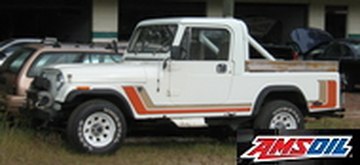
Maintaining Lubrication Standards for the 1982 Jeep SCRAMBLER 2.5L
Proper engine maintenance is a cornerstone of long-term vehicle health, particularly for an engine like the 2.5L found in the 1982 Jeep SCRAMBLER. While many aspects of vehicle care involve mechanical adjustments or part replacements, the management of engine oil remains one of the most impactful ways to ensure consistent performance and protect internal components from unnecessary wear.Monitoring Fluid Integrity and Potential Leaks
A proactive approach to maintenance involves regular visual inspections of the engine bay and undercarriage. For a vehicle of this age, observing the condition of various seals and gaskets is a practical way to monitor for signs of aging. Rather than assuming a component will fail, owners should look for evidence of seepage or active leaks around sealing surfaces. When performing routine checks, it is useful to inspect the area surrounding the engine for any fresh fluid deposits. If you notice oil accumulating on the surface of the engine block or dripping onto the ground after the vehicle has been parked, this warrants further investigation. Such signs can be associated with various factors, including aging gaskets or loose sealing components. Additionally, checking the appearance of the oil itself via the dipstick can provide clues about its condition; oil that appears excessively dark, gritty, or contains visible contaminants may indicate that the lubricant is reaching the end of its effective service life.Observing Changes in Engine Operation
Beyond visual inspections, paying close attention to how the engine behaves during operation can serve as an early warning system. While symptoms do not always point to a single specific cause, certain changes in behavior should be investigated promptly. For instance, if you notice unusual mechanical noises that were not previously present, it may indicate that lubrication is not reaching critical areas effectively. Similarly, any unexpected changes in how the engine consumes oil—such as needing to top off levels more frequently than usual—should be noted. If you observe smoke from the exhaust that appears unusual, this can also be a sign that something requires attention within the engine's internal environment. Because these symptoms can have multiple underlying causes, they should be treated as prompts for a professional diagnostic check rather than immediate conclusions of a specific part failure.Prioritizing Maintenance Based on Current Condition
For owners of a 1982 Jeep SCRAMBLER, effective long-term care often means moving away from rigid schedules and toward condition-based maintenance. This involves assessing the actual state of the vehicle rather than relying solely on its age or mileage. If you are stepping into ownership without a complete service history, establishing a maintenance baseline is an excellent first step. This can be achieved by performing a thorough inspection of all fluids, checking the condition of accessible belts (if equipped), and reviewing any available repair records. Once a baseline is established, you can prioritize tasks based on what the vehicle actually needs. For example, addressing an active leak or a service that appears overdue takes precedence over general preventive measures. Keeping a detailed log of when oil was changed, which products were used, and any observations made during inspections will help you distinguish between necessary repairs and unnecessary parts replacement as the vehicle continues to age.Managing Aging Engine Components
As vehicles age, certain materials naturally undergo changes. When maintaining a 1982 model, it is wise to monitor components that are sensitive to time and temperature. This includes inspecting hoses, if present, for signs of cracking or softening, and checking electrical connections for any evidence of corrosion or fraying. If the vehicle is equipped with various drive belts, these should be inspected regularly for glazing, cracking, or fraying. Maintaining a clean environment around the engine can also prevent the buildup of debris that might interfere with cooling or other mechanical processes. By focusing on these gradual changes, you can address minor issues before they escalate into more significant mechanical concerns.The Role of High-Mileage Formulations
When considering lubricant options for an older engine, some owners look toward specialized formulations. Some high-mileage oil formulations contain additives intended for use in aging engines. These products often include seal-conditioning additives designed to help maintain the integrity of various gaskets and seals that may have become brittle over time. While these are not a substitute for repairing active leaks, they can be a useful consideration when selecting a lubricant for an engine that has seen significant years of service.Practical Guidance for Buying Engine Oil for your 1982 Jeep SCRAMBLER 2.5L
Selecting the correct oil is essential for the continued operation of your 2.5L engine. To ensure you are using the correct product, always match the engine oil to the application-specific viscosity information shown on this page. When you are ready to purchase, follow these practical steps:- Verify Viscosity: Do not rely on general knowledge or assumptions based on the vehicle's age. Use only the specific viscosity grade provided in the application data above.
- Check API Certification: Ensure the oil container bears the appropriate API service symbol to confirm it meets modern quality and performance standards.
- Evaluate Oil Type: Depending on your maintenance goals, you may choose between conventional, synthetic blends, or full synthetic oils. If your engine shows signs of significant age, you might also consider high-mileage formulations.
- Inspect the Label: Always read the product packaging carefully to confirm that the specifications align with the requirements listed in your vehicle's documentation.